

Best Diving Socks for Cold Water: A Complete Guide
, by Syndmart, 10 min reading time
, by Syndmart, 10 min reading time
Cold water diving doesn't have to mean numb feet. The right diving socks keep you warm, maintain mobility, and protect your skin from your fins.
Cold water diving can be amazing—until your toes go numb. The good news? The best diving socks for cold water solve that problem without weighing you down or making it impossible to squeeze into your fins. We're talking about lightweight, flexible warmth that works with your existing gear.
If you're planning a cold-water dive, snorkel, or any water activity in chilly temps, diving socks are one of the easiest upgrades you can make. Let's break down what makes them work and how to pick the right pair for your next adventure.
In this article
Diving socks aren't your regular gym socks. They're designed specifically for water activities in cold environments. Unlike neoprene boots, which are thick and restrictive, diving socks give you a thinner layer of warmth while keeping your feet flexible and mobile.
The real magic is in the material and construction. Most quality diving socks use neoprene as their core insulating layer, which traps warm water close to your skin. Neoprene stays flexible even when wet, so you can move your feet naturally. It also resists the water pressure and cold that would otherwise steal your body heat.
When you're shopping for diving socks, thickness is one of the first specs you'll see. Here's what you need to know:
3mm neoprene is the industry standard for cold water diving. This thickness provides solid year-round warmth without making your fins feel too tight. Three millimeters is thick enough to insulate effectively, but thin enough that you won't struggle with fit or flexibility.
If you're diving in particularly frigid water (think Arctic or deep winter dives), you might look for 5mm socks instead. They offer more warmth but are bulkier and can make fin entry harder. Most recreational divers find 3mm to be the sweet spot.
For milder cold water or spring/fall conditions, some divers go with 2mm socks. They're less restrictive but offer less insulation. Your local water temperature and personal cold tolerance should guide this choice.
Neoprene dominates the diving sock market for good reason. It's durable, compressible, and maintains its insulating properties when wet. Once you're underwater, it actually works better than most alternatives because it traps thin layers of water that your body warms up.
Some socks blend neoprene with other fabrics like Lycra or cotton to improve comfort and breathability on land. If you struggle with moisture buildup or want easier wetsuit entry, a Lycra-blend sock can ease the donning process while still keeping your feet warm and reducing fin rubbing.
Merino wool gets talked about for cold-water activities, but it's more common in general cold-weather gear than in diving socks. If you go that route, make sure any wool blend is still waterproof—plain wool absorbs water and loses insulation fast.
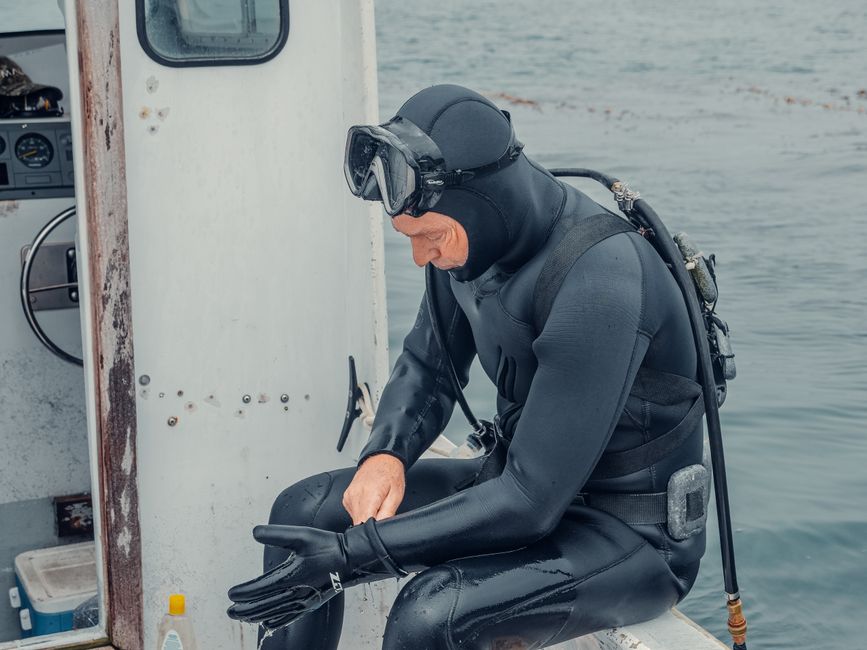
Beyond thickness and material, a few other features separate good diving socks from great ones.
Non-slip soles are a must. Most quality diving socks with non-slip rubber soles have textured or embossed bottoms that prevent you from sliding on boat decks, wet rocks, or slippery pool edges. This is a safety feature you don't want to skip.
Breathability matters more than you might think. Even in cold water, you don't want moisture trapped against your skin if you're wearing the socks on land before or after diving. Look for socks that let moisture escape while staying warm when submerged. This is where quality construction really shows itself.
Snug fit without restriction keeps your feet comfortable for hours. The socks should feel secure in your fins without cutting off circulation. If they bunch up inside your fins, they won't insulate properly. A good fit means the sock stays in place and hugs your foot without gaps.
Ready to shop?
Shop Now →Diving sock sizing is straightforward but worth getting right. Most use standard shoe sizes. Order the same size you'd wear in regular shoes, and you should be fine.
If you're between sizes, consider the thickness of the socks you'll wear underneath. Many divers wear thin neoprene socks directly on their skin, but some prefer a thin liner sock underneath for comfort. If you're planning a liner, size up slightly to avoid a tight squeeze.
The fit should be snug but not painful. Your heel should stay in place when you flex your foot, and there shouldn't be excess material bunching up at your toes or ankle. When you put your fins on, the socks shouldn't shift around inside them.
Here's something to know going in: neoprene socks wear out faster than other water gear. With regular use, the neoprene compresses and degrades over time. The soles can also develop cracks or lose grip after many dives.
This isn't a reason to avoid them—it's just realistic. Budget for replacement every year or two if you dive frequently. The good news? Quality 3mm non-slip rubber sole diving socks are affordable, so the cost of replacing them is manageable. You're not making a huge investment for the comfort they add.
To extend the life of your socks, rinse them thoroughly with fresh water after every dive and air dry them completely before storing. Avoid leaving them in direct sunlight or extreme heat, which can degrade neoprene faster.
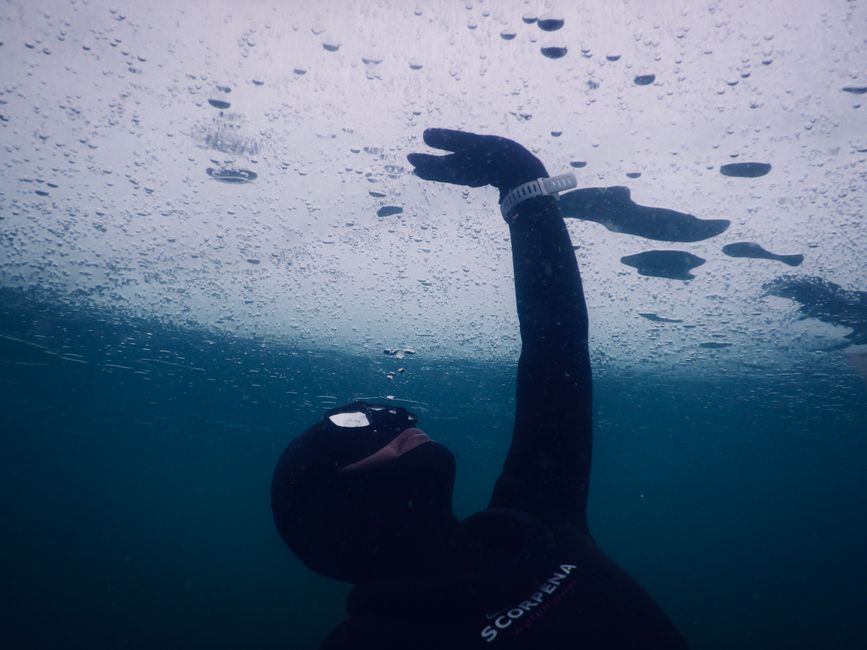
One complaint some divers have is that thicker socks make it harder to slip into fins. If you struggle with this, look for socks with a smooth Lycra-blend outer surface. These reduce friction and let you get your feet into fins without wrestling.
Another trick: put your fins on dry, before entering the water. Once you're in the water and your feet are wet, everything gets slippery and easier to manage anyway. Some divers also use a bit of water or spit on the inside of their fins to help their feet slide in, but quality construction reduces the need for this.
When you're ready to invest in a pair, Syndmart carries a range of diving socks designed for exactly this purpose. You'll find ZCCO 3mm neoprene diving socks with anti-slip ankle support in multiple sizes, plus non-slip water shoes and socks if you want options for different activities.
The beauty of starting your search at Syndmart is that you get competitive pricing on quality gear without the guesswork. Read the size guides carefully, check the material specs, and pick based on your water temperature and how often you dive.
Buying the right socks is step one. Here's how to get the most out of them.
Wear them directly on dry skin if possible. A thin base layer underneath can reduce comfort, even though it might seem logical. Your body will warm a thin layer of water against your skin faster than it warms thick, dry layers.
Enter the water gradually to let your body adjust. A sudden plunge can trigger a gasp reflex even with good socks. Give yourself a moment to acclimate, especially if the water is significantly colder than your body temperature.
Keep moving underwater. Active diving and swimming generate body heat. If you're just floating or sitting still, you'll get cold faster, even with excellent socks.
Consider full neoprene if you're doing extended dives in very cold water. If 3mm socks aren't enough, it might be time to add a thin wetsuit or rash guard to the mix. The socks work best as part of a complete system.
Start with 3mm neoprene. It's the industry standard and works well for most cold-water conditions. If you're diving in extremely cold water or staying underwater for long periods, consider 5mm. For mild cold water, 2mm may be enough. Your local water temperature and personal cold tolerance are the best guides.
Most divers wear diving socks directly on clean, dry skin. This lets your body heat warm a thin layer of water inside the sock, which becomes your insulation. If you wear a thin liner underneath, make sure your socks still fit snugly in your fins. Excess layers can create bunching and reduce warmth.
With regular use, quality neoprene socks typically last one to two years before the neoprene compresses significantly and the soles wear down. Heavy divers or those who dive frequently may replace them more often. Freshwater rinsing and proper air drying after each use extends their life. The cost is manageable enough that replacement isn't a major issue.
Not effectively. Regular socks absorb water, lose insulation when wet, and dry slowly. They'll also bunch up inside your fins and create cold spots. Diving socks are designed to stay functional underwater and maintain their shape and warmth. They're worth the small investment.
Ready to shop?
Shop Now →
Cold water diving doesn't have to mean numb feet. The right diving socks keep you warm, maintain mobility, and protect your skin from your fins.
Best Diving Socks for Cold Water: A Complete Guide
Choosing water shoes doesn't have to be complicated. We'll walk you through the key features that matter, from fit and sole protection to materials that...
How to Choose Water Shoes: The Complete Buying Guide
With thousands of products online, how do you pick the right one? This guide walks you through specs, reviews, comparisons, and smart buying habits for...
How to Choose the Right Product Online: A Smart Shopper's Guide
From phone cases to wireless earbuds and GPS trackers, these 10 electronics and accessories are worth having in your everyday life. Here's what to look...
10 Must-Have Electronics and Accessories for Everyday Life
