
Understanding GPS Trackers: Uses and Benefits Uncovered
, by Sylvester Ndimele, 5 min reading time
, by Sylvester Ndimele, 5 min reading time
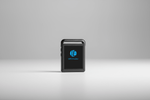
GPS trackers use satellite signals and cellular data to report real-time locations. This guide explains how they work, the different types available, key features to look for, and when you actually need one.
GPS trackers have gone from niche fleet management tools to affordable everyday accessories. Whether you want to keep tabs on your car, protect valuable assets, or track a family member's location for safety, there's a GPS tracker designed for the job. Here's everything you need to know before buying one.
GPS (Global Positioning System) trackers use a network of satellites orbiting the Earth to pinpoint their exact location. Here's the basic process:
The accuracy of modern GPS trackers is typically within 2–5 meters under open sky. In urban areas with tall buildings or indoors, accuracy can decrease slightly due to signal interference.
These connect directly to your vehicle's OBD2 port or wiring harness, drawing power from the car itself. They're always on, always tracking, and don't require battery management.
Best for: Vehicles you want to monitor continuously — personal cars, company fleets, or high-value vehicles.
Compact and wireless, these run on internal batteries and can be placed anywhere — inside a bag, under a vehicle, in a suitcase, or attached to equipment. Battery life ranges from a few days to several months depending on how frequently they report location.
Best for: Assets that move between locations, luggage, motorcycles, or situations where wiring isn't possible.
Designed to be carried by a person, these are used for child safety, elderly care, or personal security. Many include an SOS button that sends an emergency alert with location to designated contacts.
Best for: Children, elderly family members, solo travelers, or outdoor adventurers.
Rugged, weatherproof trackers designed for long-term deployment on equipment, trailers, containers, or machinery. Often feature extended battery life (months to years) and less frequent location updates to conserve power.
Best for: Construction equipment, trailers, shipping containers, or any high-value asset that moves infrequently.
How often the tracker reports its location matters depending on your use case:
Geofencing lets you define a virtual boundary on a map. When the tracker enters or exits that zone, you receive an instant alert. This is one of the most useful features for vehicle security — you'll know immediately if your car moves without authorization.
Battery life varies enormously based on update frequency. A tracker reporting every 10 seconds will drain its battery in days; one reporting every hour can last months. Consider whether you want a hardwired option or are comfortable with periodic recharging.
Most GPS trackers require a monthly or annual subscription for cellular data service — this is what transmits the location from the tracker to your phone. Always check the subscription cost before buying, as it's an ongoing expense on top of the device price.
The tracker is only as useful as the app you use to monitor it. Look for apps with clear map interfaces, reliable push notifications, location history playback, and good reviews in the app store.
If the tracker will be mounted outside a vehicle or on outdoor equipment, check the IP rating. IP67 or IP68 means it can handle rain, dust, and temporary submersion.
Here are the most common real-world use cases:
It's worth understanding the difference between GPS trackers and Bluetooth trackers like Apple AirTag:
| Feature | GPS Tracker | Bluetooth Tracker (AirTag) |
|---|---|---|
| Range | Unlimited (cellular) | ~100m (Bluetooth) |
| Real-time tracking | Yes | No (crowd-sourced) |
| Subscription needed | Usually yes | No |
| Battery life | Days to months | Up to 1 year |
| Best for | Vehicles, active tracking | Keys, bags, everyday items |
For serious vehicle or asset tracking, a dedicated GPS tracker with cellular connectivity is the right tool. Bluetooth trackers are better suited for finding misplaced everyday items nearby.
Browse our GPS trackers & accessories collection for reliable options across all use cases — from vehicle trackers to portable asset trackers. For broader vehicle security, also explore our road safety & security collection, or check our best sellers to see what other customers are choosing.

GPS trackers use satellite signals and cellular data to report real-time locations. This guide explains how they work, the different types available, key features to...
Understanding GPS Trackers: Uses and Benefits Uncovered
You don't need a new car to get new features. From dash cams and GPS trackers to phone mounts and multimedia upgrades, these are the...
Best Car Tech Accessories for 2026
TPU, leather, polycarbonate, clear, dual-layer — phone case materials all have different trade-offs. This guide explains each one so you can choose the right case...
Phone Case Materials Explained: TPU vs. Leather vs. Clear
Budget earbuds have never been better. Under $50 you now get ANC, good microphones, solid battery life, and great sound. Here's what to look for...
Best Budget Earbuds Under $50: Great Sound, ANC, and More