

Rash Guard Styles for Water Sports: A Complete Guide
, by Syndmart, 9 min reading time
, by Syndmart, 9 min reading time
Not all rash guards are created equal. Whether you're surfing, diving, or just hanging at the beach, the style you pick makes a real difference in comfort and sun protection.
When you're heading into the water, a rash guard is a popular choice for water sports and beach activities. Rash guard styles vary, and different options are designed for different water activities and conditions. Let me break down the main styles so you know what's available based on your water sport.
In this article
Rash guards come in different cuts and sleeve lengths, each designed for specific water activities. The style you choose depends on the water temperature, the type of activity you're doing, and your personal comfort preferences. Rash guards are available in various designs to suit different needs.
The basic categories are loose-fit designs, long sleeve options, short sleeve versions, and hooded rash guards. Each has its own characteristics, and understanding the differences helps you make the right choice for your water activities.
If you want something that feels like a regular t-shirt in the water, loose-fit rash guards are available. They're sometimes called surf shirts or surf tees, and they drape naturally without clinging to your body. This style is popular with casual swimmers and beachgoers who want coverage without feeling restricted.
The benefit here is comfort and a laid-back feel. You get coverage without the compression feel. The downside? They may not be ideal if you're doing high-impact water sports like kiteboarding or intense surfing, because the loose fabric can move around when you're very active.
Loose-fit designs work well when you're spending time in warm water or at the beach. They dry quickly and are forgiving if your fit changes season to season. Syndmart carries loose-fit options that balance comfort with coverage.
Ready to shop?
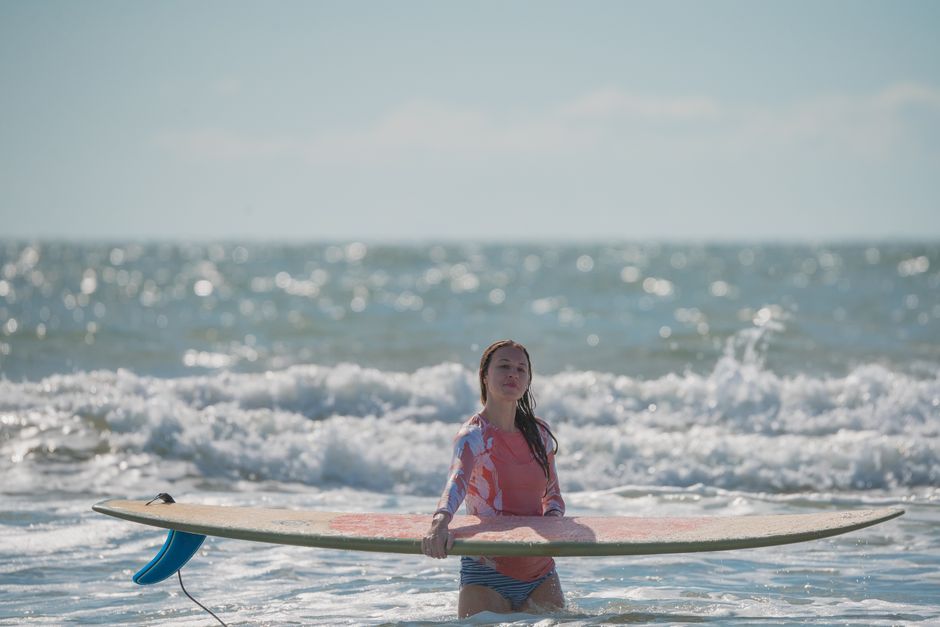
Shop Now →Long sleeves provide extended coverage of the arms and shoulders. If you're spending a full day in the water or doing water sports in bright sunlight, long sleeves cover your arms and shoulders completely. This is a popular choice for extended outdoor water activities.
The advantage is obvious: your entire upper body stays covered. Athletes doing surfing, scuba diving, and snorkeling often choose long sleeves because they're doing these activities for hours at a time. Your arms and shoulders receive direct exposure during water activities, so this coverage is a common preference.
Long sleeve rash guards are also a popular option for those who prefer extended coverage. The material is usually durable, breathable, and quick-drying, so you won't feel weighed down even when the sleeves are wet. The fit tends to be snugger than loose styles, which means better movement control during active sports.
When it's warm and you're only going to be in the water for an hour or two, short sleeves offer coverage of the chest and torso, plus shoulder coverage, while your arms stay cooler and have more freedom of movement.
This style works well for kids or for adults doing shorter water sessions in warm climates. It's also easier to move in if you're doing activities that require a lot of upper body flexibility.
One thing to know: your forearms and upper arms will have less coverage, so you may want to apply sunscreen there or consider additional sun protection. Short sleeves provide less overall coverage than long sleeves, but they're suitable for brief, casual water time.
Hooded rash guards provide coverage to the head, face, and neck in addition to the body. If you're doing open water swimming, extended snorkeling trips, or all-day diving adventures, a hood provides additional coverage to these areas.
The hood also provides coverage during wind and in cooler water conditions. Your face and ears receive additional coverage. The tradeoff is that hooded styles are warmer and take longer to dry, but if you're spending extended time outdoors, that warmth may be beneficial.
Hooded designs usually come in long sleeve, so you get extended coverage from head to wrist. They're a functional option for extended water sports activities.
Beyond style, the fabric itself is important. Quality rash guards use durable, breathable materials that dry quickly and move with you. You want something that won't fall apart after a few uses or feel stiff when it's wet.
Four-way stretch fabric is a common feature. It means the material stretches forward and backward, side to side, and diagonally, so you get mobility during your water activities. This is especially useful if you're doing active sports like surfing or diving.
Quick-drying fabrics reduce the time your rash guard stays wet between sessions, which is more comfortable and better for the longevity of the garment. Breathable materials allow water and air flow, so you don't feel restricted.
Different water sports have different demands. If you're surfing, you may want a long sleeve or hooded option with stretch to handle your paddle and pop-up movements. Scuba diving? Long sleeves are a common choice because you're in the water for extended periods.
Casual snorkeling or beach swimming? Short sleeves or loose-fit work well. Kiteboarding? You may want long sleeves with stretch and durability because of the impact and wind involved.
Think about your actual activity, how long you'll be in the water, and your personal preferences. That combination should guide your style choice. When you're ready to buy, explore Syndmart's water sports collection to find styles that suit your needs.
Here's something people often skip: rinsing your rash guard in cool fresh water after every use. This removes salt water, chlorine, and sand that can affect the fabric. It's a simple step that helps maintain your rash guard.
Let it air dry rather than throwing it in a hot dryer. High heat can affect the elastic and stretch fibers. Hang it in a shaded spot or lay it flat. Proper care helps maintain your rash guard over time.

Fit varies between brands and styles, so consider what feels right on your body. A loose-fit should still have some structure so it doesn't billow in the water. Long sleeves should reach your wrists. Short sleeves should end mid-bicep. A hood should sit comfortably without blocking your vision.
When you're trying on or ordering, pay attention to reviews that mention fit and sizing. Everyone's proportions are different, and knowing how a particular style runs helps you choose the right size.
Rash guards are designed to provide coverage during water activities. According to the Skin Cancer Foundation, UV protection is an important consideration for outdoor activities. Rash guards with UPF (ultraviolet protection factor) fabric provide coverage options for water time.
The darker and thicker the fabric, the more coverage it provides. Long sleeves obviously cover more area. Quality fabric construction is important for durability and performance.
Rash guards are available at various price points. Budget-friendly options provide basic coverage if the fabric is quality. Investing more in durable, quick-drying material may be worthwhile if you're using your rash guard regularly.
A rash guard is a practical piece of water sports equipment. Whether you're a casual swimmer or a serious water athlete, rash guards are available to suit different needs and budgets.
Ready to shop?
Shop Now →
Not all rash guards are created equal. Whether you're surfing, diving, or just hanging at the beach, the style you pick makes a real difference...
Rash Guard Styles for Water Sports: A Complete Guide
Looking for affordable swim fins that won't break the bank? We'll walk you through everything you need to know to pick the right pair for...
Affordable Swim Fins for Kids: A Buying Guide
Beach days with toddlers are amazing, but you need the right toys to keep them happy and safe. We'll walk you through exactly what to...
Best Beach Toys for Toddlers: Complete Shopping Guide
Non-slip water shoes are a game-changer for seniors who want to stay active in and around water without worrying about slips or falls. Here's everything...
Non-Slip Water Shoes for Seniors: Safety & Comfort Guide