

Quick Dry Water Shoes: A Complete Guide for Swimmers & Beachgoers
, by Syndmart, 9 min reading time
, by Syndmart, 9 min reading time
Quick dry water shoes are designed to drain water fast and protect your feet while you're in or around the water. Here's everything you need to know about picking the right pair.
Quick dry water shoes are one of those purchases that seems simple until you're standing in a store (or scrolling online) wondering what actually makes one pair different from another. The good news? Once you understand what to look for, finding the right pair becomes straightforward.
In this article
Quick dry water shoes are lightweight footwear designed to shed water fast, protect your feet from sharp objects and hot sand, and keep you stable on wet surfaces. They're not your regular sneakers. They're built specifically for environments where water, rocks, shells, and slippery surfaces are all part of the deal.
According to research on foot injuries in water sports and recreational activities, cuts and bruises from underwater debris are surprisingly common among swimmers and beachgoers. The right water shoe acts as a barrier between your skin and potential hazards while staying breathable and comfortable.
These shoes are built for more than just the beach. River walks, snorkeling trips, kayaking, and any water activity where you're wearing footwear benefit from a design that drains instantly and grips wet ground.
Not all water shoes dry quickly. The difference comes down to design and materials.
The fastest drying water shoes have multiple drainage holes or mesh panels built into the upper. These let water flow straight through instead of pooling inside. Look for shoes with strategically placed holes around the toe box and sides.
Heavy fabric holds moisture. Quick dry shoes use thin, synthetic materials (usually neoprene blends or breathable mesh) that release water and air quickly. The less material there is, the faster it dries.
A thick rubber sole with 3D non-slip texturing provides grip on wet surfaces without adding bulk. The best soles have embossed patterns or grain textures that channel water away and prevent slipping, even when you're walking on algae-covered rocks or pool decks.
A reinforced toe cap protects your toes from stubbing and adds durability. It's usually made from the same rubber or synthetic material as the sole and sits just at the tip of the shoe.
Some quick dry shoes have collapsible heels so you can wear them like slip-ons. This reduces weight and packing space, making them perfect for travel and beach bags.
You might already own quick dry water shoes without realizing how versatile they are. Here's where they shine.
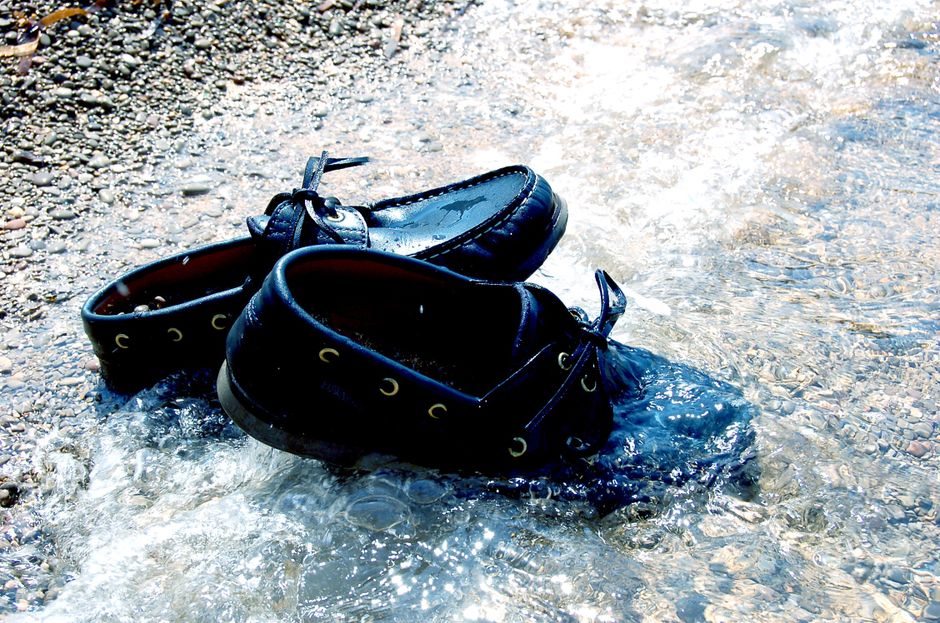
The best water shoe depends on your specific needs. Think about where you'll wear them most and what matters most to you.
Water shoes should fit snug but not tight. Your toes shouldn't touch the end, and there shouldn't be excess room that lets your foot slide around. Many people size down half a size from their regular shoe size because water shoes are typically worn with bare feet or thin socks.
Thicker soles offer more cushioning and protection on rocky surfaces but take slightly longer to dry. Thinner soles dry faster but provide less impact protection. If you're walking mostly on soft sand or pools, thinner is fine. If you're on rocky beaches or river terrain, go thicker.
Look for reinforced stitching, especially around the heel and toe. Materials should be UV-resistant if you'll be in the sun often. Check reviews for durability reports. A quality quick dry shoe should last 1-2 seasons of regular use.
Casual beachgoers can go with lighter, more minimal options. If you're an active snorkeler, kayaker, or frequent swimmer, choose a shoe with better arch support and a more durable sole. Syndmart stocks a range of quick dry water shoes suited to different activity levels, so you can find one that matches your lifestyle.
Ready to shop?
Shop Now →Quick dry water shoes are low maintenance, but a little care extends their life significantly.
You can maximize comfort and performance with a few simple habits.
Wear them with neoprene diving socks in cold water. If you're in chilly water, pair your quick dry shoes with 3mm Non-Slip Rubber Sole Diving Socks for insulation and extra grip. The socks fit snugly inside your water shoes and add warmth without bulk.
Test the grip before buying. Wet your hand and press the sole. A good quick dry shoe should feel sticky and grippy, not slippery. That's your 3D non-slip texture at work.
Size up slightly for activity-heavy days. If you're planning a full day of swimming or water sports, a slightly looser fit lets your foot move and prevents blisters. Just make sure it's not so loose that your foot slides inside.
Buy a pair you actually like looking at. You're going to wear these around other people. Choose a color or style that makes you feel good. A shoe you love wearing is a shoe you'll use for more activities and get better value from.

Learning from others' missteps saves you money and frustration.
Prioritizing style over sole quality: A beautiful shoe with a thin or slippery sole defeats the purpose. Always check the sole texture and thickness before the color.
Going too tight for a snug fit: Tight water shoes cause blisters and restrict blood flow in your feet. Snug is good. Tight is not.
Ignoring drainage design: Some water shoes look great but have minimal drainage. Check for drainage holes and mesh panels. If water sits in the shoe, it's not quick dry.
Buying without considering climate: A shoe perfect for warm beach days might be uncomfortable in cold water. Think about your most common water environment.
When you're ready to find a pair that fits your needs, explore what Syndmart has in stock. Whether you need lightweight beach protection or serious water sport footwear, the right quick dry water shoe is worth the investment.
Quality quick dry water shoes typically dry in 20-40 minutes depending on humidity and ventilation. The actual time varies based on how thick the material is and how much drainage the design allows. Thinner shoes with more mesh dry faster than thicker neoprene options.
Yes, most people wear quick dry water shoes barefoot. They're designed with smooth, non-irritating interiors. However, if you have sensitive skin, blisters, or want extra warmth in cold water, wearing thin neoprene socks underneath is fine and won't slow drainage significantly.
They can work for stream crossings and wet terrain, but they're not replacements for hiking boots on dry trails. If your hike involves significant water activity, quick dry shoes are perfect. If it's mostly dry terrain with occasional water, your regular hiking boots are better for ankle support and stability.
With regular use, a quality quick dry water shoe lasts 1-2 years before the sole begins to wear thin or the material shows significant wear. Occasional use (a few times a month) can stretch this to 2-3 years. Always inspect the sole for wear before using them, especially on rocks or rough surfaces.
Ready to shop?
Shop Now →
Quick dry water shoes are designed to drain water fast and protect your feet while you're in or around the water. Here's everything you need...
Quick Dry Water Shoes: A Complete Guide for Swimmers & Beachgoers
Swim training aids help kids build confidence and technique in the pool. Here's how to choose kickboards, fins, paddles, and flotation devices based on your...
Swim Training Aids for Kids: A Parent's Guide to Choosing the Right Tools
Starting snorkeling? You need a good mask, a dry snorkel, and comfortable fins. Here's exactly what to look for as a beginner so you can...
Snorkeling Gear for Beginners: What You Actually Need
A rash guard is one of the smartest additions to your water sports kit. Whether you're surfing, snorkeling, or just spending hours in the water,...
Wetsuit Rash Guard Guide: How to Choose & Use