
Swim Fins for Snorkeling: A Complete Buyer's Guide
, by Syndmart, 9 min reading time
, by Syndmart, 9 min reading time
Picking the right swim fins for snorkeling makes a huge difference in comfort and performance. We'll walk you through the key features, types, and how to find your perfect fit.
In this article
Swim fins for snorkeling are specially designed foot coverings that extend your leg and foot to help you move through water with less effort and more speed. They're basically like adding power to your kick. When you're snorkeling—whether at the beach, in a pool, or exploring coral reefs—fins let you cover more distance with less energy, so you can focus on enjoying the view instead of getting tired.
More and more people are getting into snorkeling and water sports, which is good news for you: more options, better prices, and better quality gear across the board.
At Syndmart, we carry a range of snorkeling fins and water gear to help you pick what works best for your adventures.
There are two primary designs when it comes to snorkeling fins: full-foot and open-heel. Each one has its own strengths, and your choice depends on how you plan to use them.
Full-foot fins are slip-on designs that cover your entire foot like a shoe. They're compact, lightweight, and perfect if you're snorkeling in warm water or doing surface swimming. The main benefits are comfort (no straps cutting into your heel) and portability—they take up less space in your beach bag.
Full-foot fins work best for shallow diving and surface swimming. They're ideal if you're exploring a tropical reef or just floating around the surface to look at fish. If your toes get cold easily, though, you might want to pair them with neoprene diving socks like the 3mm Non-Slip Rubber Sole Diving Socks for extra warmth and protection.
Open-heel fins (also called adjustable fins) have a heel strap that you fasten around the back of your foot. These are bulkier than full-foot models, but they offer better adjustability. You can wear them over wetsuits, thicker socks, or adjust the strap tightness as needed. Open-heel fins give you more flexibility for different water conditions and are often the choice for deeper diving or colder water.
Open-heel fins tend to be stiffer, which means they transfer your leg power more efficiently to propulsion. That extra stiffness can feel like work at first, but once your legs adjust, you'll move through water with real power.
Beyond the basic design, a few other factors will affect your experience and help you pick fins that feel great and perform well.
Fins range from very flexible (soft blade) to quite stiff (rigid blade). Flexible fins are easier on your legs and great if you're a beginner or planning a relaxed snorkeling session. Stiffer fins demand more leg strength but give you faster speed and better control. If you're just getting started, go with something in the middle: flexible enough to feel comfortable but stiff enough to give you real propulsion.
A poor-fitting fin will cause blisters, cramping, and a miserable time in the water. Comfort is non-negotiable. Your fin should be snug but not painfully tight. With full-foot fins, your toes should touch the end without pressure. With open-heel fins, the strap should hold your foot securely without digging into skin.
Many snorkelers recommend trying fins in water before committing to a purchase if you can. That way, you're sure the fit works for your specific foot shape and size.
Shorter fins are easier to travel with and store. Longer fins give you more surface area and potentially more power, but they're harder to pack. If you're flying to a beach destination, shorter fins might save you baggage fees and hassle. If you're a serious snorkeler planning regular trips, longer fins might give you the performance boost you want.
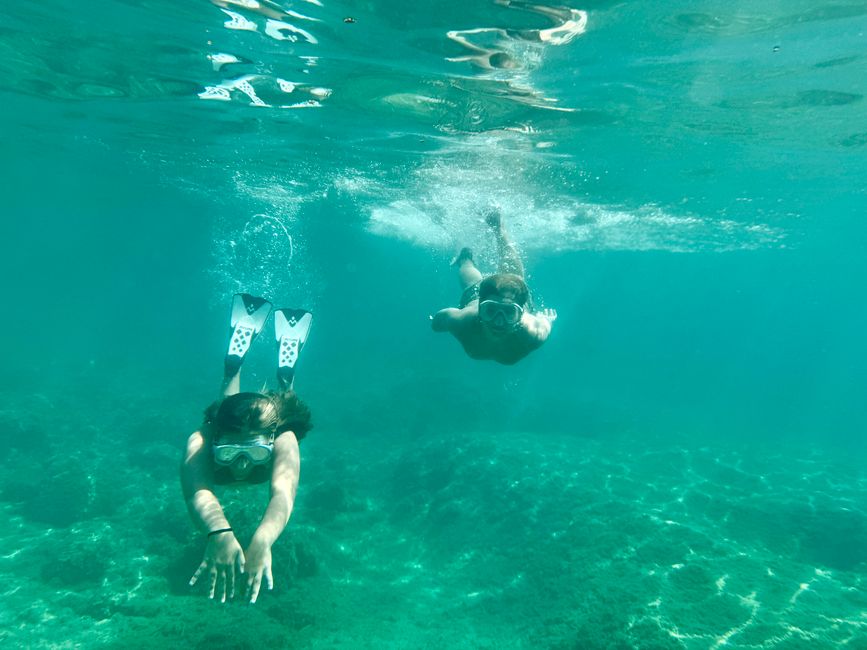
Your snorkeling plans should guide your fin choice. Are you a casual beachgoer, or are you planning to explore deeper reefs and cover serious distance?
If you're planning to stay near the surface and explore shallow reefs or tropical beaches, full-foot fins are your go-to. They're comfortable for hours in warm water, easy to slip on and off, and they won't overpower your kick. Pair them with a fun printed swimming cap and Syndmart's selection of snorkeling gear, and you're ready to explore.
Ready to shop?
Shop Now →Open-heel fins are better suited if you're diving deeper, exploring in cooler water, or planning multiple trips to different locations. The adjustable strap means you can customize the fit for different water conditions and thicknesses of neoprene protection. Their stiffer design also helps you maintain control when diving down.
Since comfort is critical, here's how to make sure fins fit right:
Listen to your feet. If something feels off, it'll only feel worse after an hour in the water.
Swim fins are just one part of your snorkeling toolkit. A good snorkeling experience brings together fins, a mask, a snorkel, and often protective or warming layers.
If you're snorkeling in cooler water, pair your fins with neoprene diving socks like the ZCCO 3mm Neoprene Diving Socks Anti-Slip Ankle Socks for insulation and grip. For your face, invest in quality goggles like the HAIZID Myopia Swimming Goggles Anti-Fog Waterproof Silicone if you need vision correction.
Pro tip: Keep all your snorkeling gear together in one bag so you're always ready to grab and go.
Don't pick fins based on looks alone. The flashiest design doesn't always perform best or fit comfortably. Focus on fit, flexibility, and the type of snorkeling you'll actually do.
Don't ignore pain. If your fins cause discomfort during a test swim, they're the wrong pair. Blisters and cramps will ruin your trip, so go back and try another size or style.
Don't assume heavier is better. Some people think stiffer, heavier fins are automatically superior, but that's not true. The best fin for you is the one that matches your strength, experience, and the type of water you'll be in.
Fins typically come in sizes that correspond to shoe sizes, but they can fit differently than street shoes. Try them on in person if possible. Your foot should fit snugly without pressure on the toes (for full-foot) or without the heel slipping in the strap (for open-heel). When in doubt, go to a specialty water sports store and have staff help you fit them properly.
Technically yes, but fins designed specifically for snorkeling are engineered for surface swimming and the type of kicking snorkeling requires. General swim fins might work, but snorkeling fins are optimized for comfort and performance in the snorkeling position.
Rinse them with fresh water after every use to remove salt, sand, and chlorine. Let them air dry in the shade (direct sunlight can degrade rubber). Store them flat or gently rolled, not crumpled. Avoid extreme heat. With proper care, a good pair of fins will last several years.
If you've worn the same style and size before, ordering online can be convenient and cost-effective. If you're new to snorkeling or unsure about fit, try them in a store first. You want to be sure before you commit. Once you know what works, you can shop with confidence online or anywhere else.
Ready to shop?
Shop Now →
Picking the right swim fins for snorkeling makes a huge difference in comfort and performance. We'll walk you through the key features, types, and how...
Swim Fins for Snorkeling: A Complete Buyer's Guide
A properly fitted kids swim vest is a game-changer for water safety and confidence. Learn how to choose the right vest, fit it correctly, and...
Kids Swim Vest Safety: What Parents Need to Know
Cold water diving doesn't have to mean numb feet. The right diving socks keep you warm, maintain mobility, and protect your skin from your fins.
Best Diving Socks for Cold Water: A Complete Guide
Choosing water shoes doesn't have to be complicated. We'll walk you through the key features that matter, from fit and sole protection to materials that...
How to Choose Water Shoes: The Complete Buying Guide
