
Indoor Soccer Shoes: Complete Guide to Court Performance
, by Syndmart, 11 min reading time
, by Syndmart, 11 min reading time
Indoor soccer shoes are built for grip and control on gymnasium courts with flat, non-marking soles. Learn what features matter most, how to find the right fit, and why proper footwear prevents injuries.
Indoor soccer shoes are engineered specifically for flat gymnasium and futsal courts, not outdoor grass. They give you the grip, agility, and ball control you need to perform your best on hard indoor surfaces.
If you're stepping onto an indoor court for the first time, or you've been playing but your feet feel slippery or unsupported, the right shoe choice makes a huge difference. Let's walk through what makes indoor soccer shoes different, what features actually matter, and how to pick the right pair for your game.
In this article
Indoor soccer shoes are built for one job: keeping you stable and connected to a flat, smooth gymnasium floor. That's completely different from outdoor cleats, which are designed for grass and dirt.
Here's the key difference: outdoor cleats have studs or blades that dig into earth. On a hardwood or rubber court, those studs would make you slip and slide all over the place. Indoor shoes have flat, non-marking rubber soles that grip the court without damaging it. The sole pattern is designed to provide traction on smooth surfaces while staying quiet and letting you move laterally without your foot catching.
The shoe itself is also typically lighter and more flexible than outdoor soccer cleats. Since you're not dealing with mud, wet grass, or rough terrain, the upper doesn't need to be as stiff or heavily padded. That means your foot can move faster, pivot more easily, and feel the court beneath you.
When you're shopping for indoor soccer shoes, focus on these performance features.
Non-Marking Soles
The most important feature is a non-marking rubber sole. This protects the gym floor from scuff marks and gives you reliable grip on smooth surfaces. It's not just about courtesy to the facility owner—it's about your safety. A shoe that marks the floor may also be sliding under your feet.
Lightweight Design
Lighter shoes mean faster movement. You want to feel agile when you're sprinting to the ball or making quick directional changes. A heavy shoe slows you down and tires your feet faster over a full game or practice.
Enhanced Grip Technology
Look for shoes with textured soles or specific grip patterns. Some brands use micro-fibers or special rubber compounds that lock onto the court. The better the grip, the more confident you'll feel cutting and turning without slipping.
Low-Top or Mid-Top Design
Low-top shoes offer more ankle mobility, which helps with quick lateral movement. Some players prefer mid-tops for a bit more ankle support. It's a trade-off between freedom and stability. Most recreational players find low-tops work best for speed and ball handling.
Snug Fit
Your shoe should fit snugly around the heel and midfoot. Slippage inside the shoe means your foot won't respond instantly when you need it to. A proper fit also reduces the risk of blisters and injuries during intense play.
Breathability
Indoor courts get warm, and your feet will sweat. Shoes with mesh uppers or ventilation panels keep your feet cooler and drier throughout play. Moisture-wicking materials help too.
Not all indoor courts are exactly the same. The floor type matters when selecting your shoe.
Hardwood Courts
Gymnasiums with hardwood floors need shoes with excellent lateral grip. You're looking for that quick stop-and-go responsiveness. Shoes designed for futsal play often work best here because futsal is traditionally played on wooden courts.
Rubber or Synthetic Composite Courts
Newer sports facilities often use rubberized surfaces or synthetic materials. These are typically grippier than hardwood, which means you have a bit more margin for grip technology. You can focus more on cushioning and comfort in this case.
Court Speed Varies
Some courts are slippery because they've been recently waxed or sealed. Others are older and naturally grippier. If you play on multiple courts, choosing a shoe with strong, proven grip technology gives you consistency across different environments.
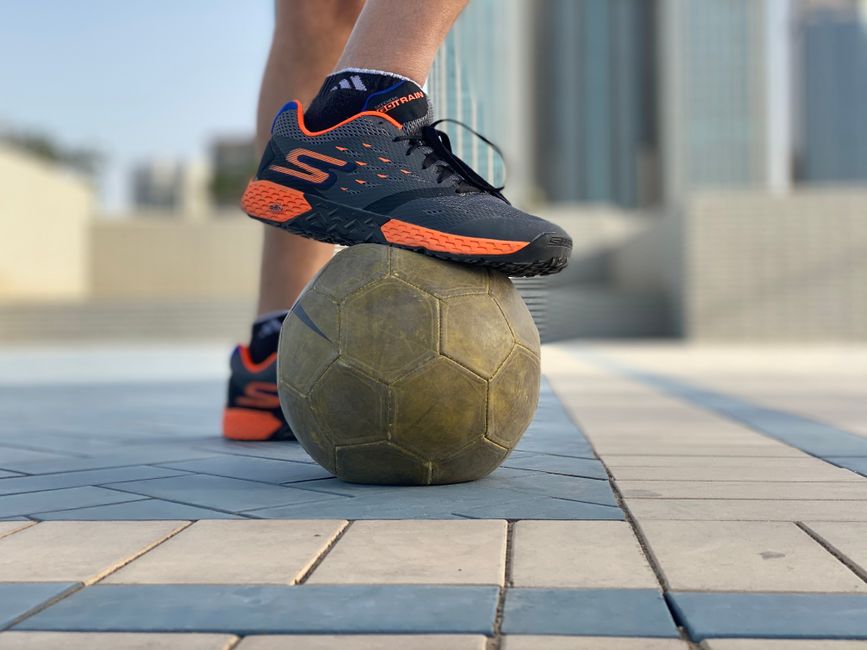
Getting the right size is critical. A shoe that's too loose will cause blisters and reduce your ball control. A shoe that's too tight will cramp your foot and make your toes numb after 30 minutes.
Ready to shop?
Shop Now →When you try on indoor soccer shoes, wear the socks you'll actually wear during games. Try them on in the afternoon or evening when your feet are slightly swollen (closer to how they'll feel during play). Stand up and walk around. Your heel should not slip, and there should be about a thumb's width of space in front of your toes.
Some indoor soccer shoes run narrow or wide. Read reviews from other players if you're ordering online. If a shoe is known to fit small, size up. Many facilities also have in-store fitting experts who can guide you based on your foot shape and playing style.
Avoid these common pitfalls so you get a shoe that actually works for you.
Using Outdoor Cleats Indoors
This is the biggest mistake. Outdoor cleats will damage gym floors and provide unreliable grip on hard surfaces. They're also heavier and less responsive. Even if you play both indoor and outdoor soccer, invest in separate shoes for each.
Choosing Based on Color Alone
Your shoe needs to perform, not just look cool. Select based on grip, fit, and weight first. Appearance is secondary.
Ignoring Foot Type
If you have flat feet, high arches, or pronation issues, choose shoes with appropriate support. Some indoor shoes are designed with extra cushioning or arch support. Others are minimalist. Know your foot and pick accordingly.
Buying Without Trying
Indoor soccer shoes fit differently between brands and models. Trying them on (or buying from a retailer with a good return policy) saves you from wasting money on shoes that don't work for your feet.
Indoor soccer shoes range from around $65 for entry-level options to $150 and beyond for premium models. For most recreational players, mid-range shoes ($80-$120) offer the best balance of quality, durability, and performance.
Expect a good pair to last 6-12 months with regular play, depending on how often you're on the court. Investing a bit more upfront in a well-made shoe often means fewer replacements over time.
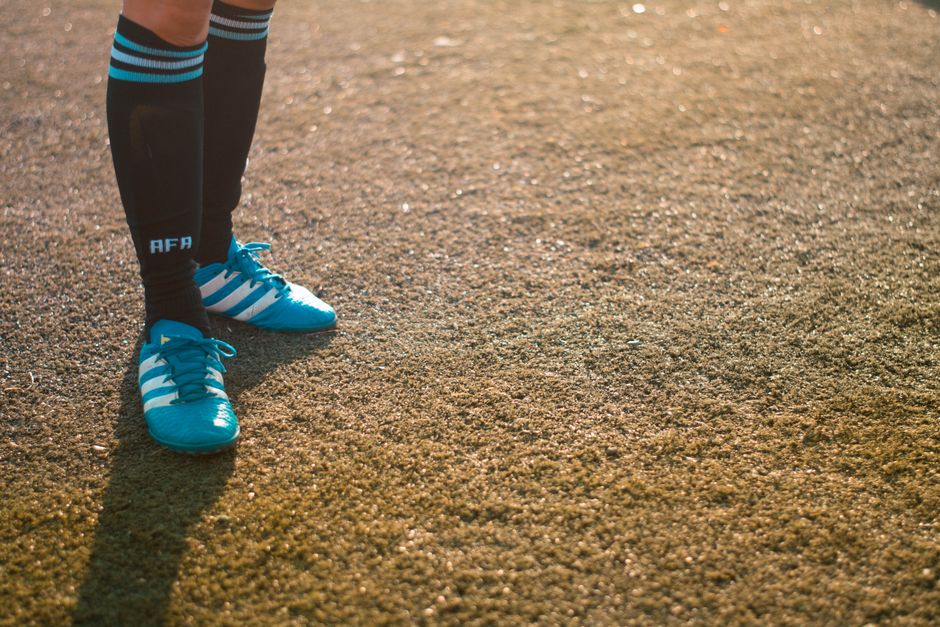
The right indoor soccer shoes do more than improve your game. They also help prevent injuries.
According to research on sports injuries and footwear selection, proper shoe choice reduces the risk of ankle sprains, foot strains, and overuse injuries. When your shoe provides reliable grip and support, your body doesn't have to compensate by tensing up or altering your movement mechanics. That means less stress on your joints and muscles.
Slipping or sliding on court increases your injury risk dramatically. A shoe with inadequate grip forces your body to make sudden adjustments that can lead to ankle rolls or knee strain. The investment in proper indoor soccer shoes pays for itself in injury prevention alone.
Don't wear new indoor soccer shoes for the first time during a competitive match. Break them in gradually.
Wear them around the house for a few days. Then wear them for a casual practice or warm-up session. This lets your foot adjust to the shoe's feel and helps you spot any fit issues before they become problems during intense play. Most shoes feel a bit stiff at first, but that loosens up within a week or two of regular wear.
If you notice any rubbing or discomfort during break-in, address it immediately. Apply padding to friction points or adjust your lacing. Small problems become big problems if you ignore them.
When shopping for indoor soccer shoes, you want options, honest reviews, and a straightforward buying experience. Syndmart focuses on recreational sports and water gear, so for indoor soccer shoes specifically, you'll want to check specialized soccer retailers or general sporting goods stores.
What matters most is finding a retailer that lets you try shoes on or offers a solid return policy if you're ordering online. Read customer reviews that mention fit, grip, and durability. Avoid one-off reviews that only mention color or style—look for feedback about actual performance on court.
Your indoor soccer shoes will last longer if you take care of them.
After each game or practice, wipe down the soles with a damp cloth to remove dust and sweat residue. This keeps the grip reliable. Let them air dry at room temperature—never put them in the dryer or leave them in direct sunlight, as heat breaks down the rubber and glues.
If the insole starts to wear down or feel flat, you can replace it with an aftermarket insole designed for sports. A fresh insole can breathe new life into shoes that otherwise feel worn.
Store your shoes in a cool, dry place. If they get wet, stuff them with newspaper to absorb moisture and air dry them overnight before wearing again.
Running shoes are not designed for the lateral movements in soccer. They lack the grip pattern needed for quick cuts and turns on smooth courts. They'll also wear out much faster because their soles are built for forward motion, not side-to-side stability. Stick with shoes designed specifically for indoor soccer.
Futsal shoes and indoor soccer shoes are nearly identical. Futsal is a specific indoor soccer format with slightly smaller courts and faster-paced play. The shoes are optimized for the same flat, smooth surfaces. You can use futsal shoes for recreational indoor soccer without any problem.
It depends on how often you play. If you're on the court 2-3 times per week, you'll probably need new shoes every 6-8 months. Casual players who show up once a week might get 12-18 months out of a pair. When you notice the grip fading or the sole wearing smooth, it's time for new shoes.
Wear crew-length socks designed for sports. They provide cushioning, wick moisture, and prevent blisters. Avoid thick cotton socks, which trap sweat and can cause hot spots. Many soccer-specific sock brands are available and won't cost much more than generic options.
Ready to shop?
Shop Now →
Indoor soccer shoes are built for grip and control on gymnasium courts with flat, non-marking soles. Learn what features matter most, how to find the...
Indoor Soccer Shoes: Complete Guide to Court Performance
Weightlifting shoes are specialized footwear with flat soles, reinforced support, and excellent grip. They keep your feet planted under the bar and help you lift...
Weightlifting Shoes: What They Are & Why You Need Them
Swimming fins aren't just for snorkeling—they're serious training tools that boost your speed, technique, and leg strength. Here's how to find the right pair for...
Swimming Fins: Complete Guide to Choosing the Right Pair
Stability running shoes aren't just hype—they're built to prevent injury and keep your feet aligned when you run. Here's everything you need to know about...
Stability Running Shoes: What They Are & Why You Need Them