
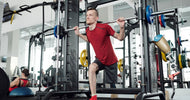
Weightlifting Shoes: What They Are & Why You Need Them
, by Syndmart, 10 min reading time
, by Syndmart, 10 min reading time
Weightlifting shoes are specialized footwear with flat soles, reinforced support, and excellent grip. They keep your feet planted under the bar and help you lift heavier, safer, and more efficiently.
Weightlifting shoes are specialized footwear designed to give you a rock-solid foundation under the bar. Unlike regular sneakers, they have flat soles, reinforced ankle support, and engineered grip that keep your feet planted when you're lifting heavy. If you're serious about getting stronger, the right shoe makes a real difference.
In this article
The biggest thing that sets weightlifting shoes apart is the flat sole. No cushioning, no bounce, no arch. That flat base means the force you generate transfers directly to the ground and back to the bar, giving you maximum stability and power.
When you squat, deadlift, or press, your feet need to stay put. Weightlifting shoes have:
Regular gym shoes or running shoes absorb impact, which is great for cardio but terrible for lifting. That cushioning actually works against you during heavy compound movements because energy gets absorbed instead of transferred.
When you're under a heavy load, your body wants to find the most efficient path to move that weight. Unstable feet force your nervous system to work harder just to keep you balanced, which means less energy for the actual lift.
Think of it like this: if you're standing on a wobbly surface, you can't relax or commit to a movement. Your muscles tense up defensively. With a stable platform, you can focus entirely on the lift.
A study from the Journal of Sports Sciences found that footwear stability directly impacts lower body strength performance. Lifters with proper foot support generated more force and achieved deeper, safer positions in compound movements.
Not all weightlifting shoes are the same. Here's what to evaluate when you're choosing a pair:
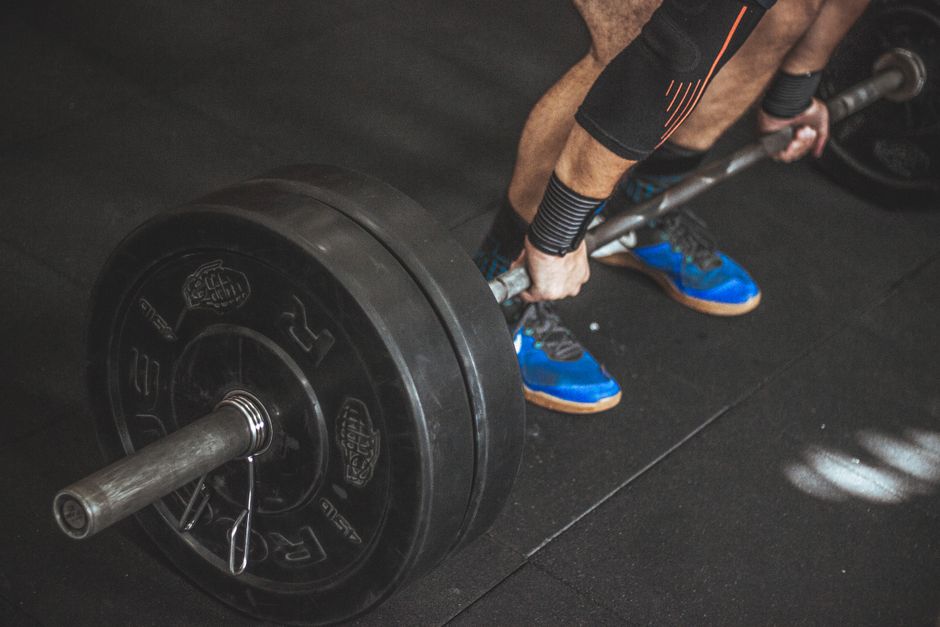
If you're doing compound lifts like squats, deadlifts, bench press, or Olympic lifting, a proper weightlifting shoe is worth the investment. You don't need them for casual gym sessions, but if you're training seriously, they'll improve your performance and reduce injury risk.
Lifters with ankle mobility issues or past foot injuries especially benefit from the support and heel height that weightlifting shoes provide. The structure helps you maintain safe positions even when your mobility is limited.
The global weightlifting shoes market was valued at USD 1.05 billion in 2026 and is projected to reach USD 2.1 billion by 2035, with a compound annual growth rate of 8%. That growth reflects the fact that more people are recognizing the importance of proper footwear for strength training.
As demand increases, manufacturers are refining designs and offering options for different foot types, training styles, and budgets. Whether you're a competitive powerlifter or a recreational gym-goer, there are shoes built for your needs.
Ready to shop?
Shop Now →Getting the fit right is crucial. Your weightlifting shoes should feel snug but not cramped. Your heel shouldn't slip when you tighten the straps, and your forefoot should have enough room to spread naturally when you're under load.
Many lifters size down half a size from their regular shoe size because the upper is usually more structured and the heel sits higher. Try them on in the late afternoon when your feet are slightly swollen, just like you would with running shoes.
When you first put on a pair, test the ankle support by doing a few bodyweight squats. You should feel locked in and stable, not restricted or uncomfortable. The shoe should move with your foot, not against it.
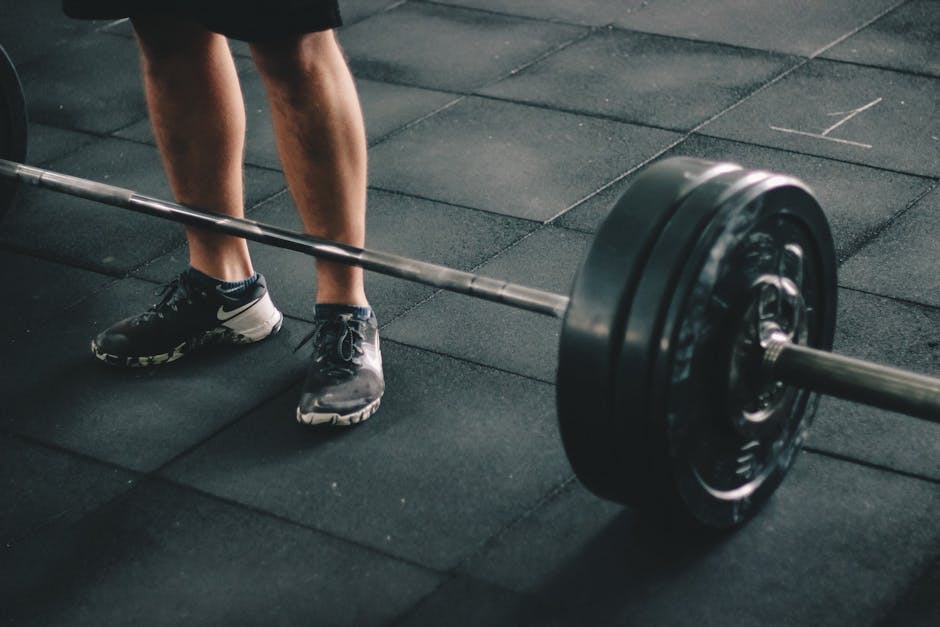
New weightlifting shoes might feel stiff at first, and that's normal. The upper takes a few weeks to mold to your foot shape. Don't expect immediate comfort like you'd get with a cushioned sneaker.
Give yourself at least 3-4 training sessions to break them in. Use lighter weights initially so your feet and ankles can adapt to the new support. Once they're broken in, they should feel like a second skin.
The good news is that quality weightlifting shoes last a long time if you take care of them. Clean them after sweaty sessions, let them air dry (never in direct heat), and store them in a cool, dry place. They'll stay supportive for years of hard training.
The market has several tiers of weightlifting shoes. Budget options give you the basics: a flat sole, decent grip, and reasonable support. Mid-range shoes add better materials, more refined design, and improved durability. Premium options offer cutting-edge technology, exceptional comfort, and extended longevity.
Your choice depends on your budget and how seriously you're training. If you're just starting out, a solid mid-range shoe is a smart move. If you're competing or training multiple times per week, investing in a premium pair makes sense because it'll last longer and perform better.
When you're ready to shop, look for retailers that let you return or exchange shoes if the fit isn't right. Getting the right size matters, and not every brand fits the same way.
To keep your weightlifting shoes performing at their best:
A good pair of weightlifting shoes can last 1-2 years of regular training, depending on how often you lift and how you care for them. Signs it's time to replace them include:
When it's time for a replacement, you'll probably want the same fit and support you've gotten used to, so stick with what works for you.
Yes. A quality pair of weightlifting shoes is an investment in your training and your safety. The right shoes help you lift heavier, move better, and reduce injury risk. That's worth the money.
Think of it like this: you're already spending time at the gym and putting in the work. The right equipment makes that work more efficient and effective. Many lifters spend far more on nutrition, supplements, and gym memberships than they do on shoes, but shoes are one of the most important tools you'll use.
When you're shopping for weightlifting shoes, focus on stability, grip, durability, and fit. Look for retailers that offer free shipping on orders over a certain amount so you can try a few pairs without worrying about extra costs. Syndmart carries a range of footwear and sports gear designed for athletes, so it's worth checking out what's available to find the right support for your training style.
The terms are often used interchangeably, but technically powerlifting shoes are optimized for raw strength and stability in the squat and deadlift, while weightlifting shoes are designed for Olympic lifting (snatch and clean-and-jerk). Weightlifting shoes typically have a slightly higher heel to accommodate the deeper ankle flexion required in Olympic lifts. Powerlifting shoes have a lower profile and a straighter trajectory. For most gym-goers doing compound lifts, either style works fine.
Weightlifting shoes are specifically designed for heavy compound lifts and aren't ideal for cardio, running, or highly dynamic lateral movements. The flat sole and rigid structure can feel uncomfortable if you're moving side-to-side rapidly or need impact absorption. Stick to weightlifting shoes for squats, deadlifts, presses, and Olympic lifts, then switch to regular athletic shoes for other activities.
Size down half a size from your regular shoe size. The upper should feel snug around your midfoot and heel with no slipping, but not painfully tight. Your toes should have a little room to splay without feeling cramped. Try them on in the afternoon when your feet are slightly swollen, and do a few practice squats in the store if possible. If they feel uncomfortable during that test, try the next size up.
Not immediately. Start with clean, flat-soled shoes like minimalist sneakers or cross-trainers to build good lifting habits and body awareness. Once you're lifting consistently and want to increase intensity, upgrade to real weightlifting shoes. They're most beneficial when you're ready to go heavy and want to maximize stability and safety.
Ready to shop?
Shop Now →
Weightlifting shoes are specialized footwear with flat soles, reinforced support, and excellent grip. They keep your feet planted under the bar and help you lift...
Weightlifting Shoes: What They Are & Why You Need Them
Swimming fins aren't just for snorkeling—they're serious training tools that boost your speed, technique, and leg strength. Here's how to find the right pair for...
Swimming Fins: Complete Guide to Choosing the Right Pair
Stability running shoes aren't just hype—they're built to prevent injury and keep your feet aligned when you run. Here's everything you need to know about...
Stability Running Shoes: What They Are & Why You Need Them
Picking the right tennis shoes can totally change how you play. We'll walk you through exactly what to look for so you stay comfortable, injury-free,...
Tennis Shoes: How to Choose the Right Pair for Your Game